
The Savvy Renter’s Defense: How to Spot and Avoid Rental Scams in Long Island and Westchester
Relocating to Nassau, Suffolk, or Westchester? Learn how to spot red flags, avoid wire transfer scams, and secure a legitimate lease in the NY rental market.
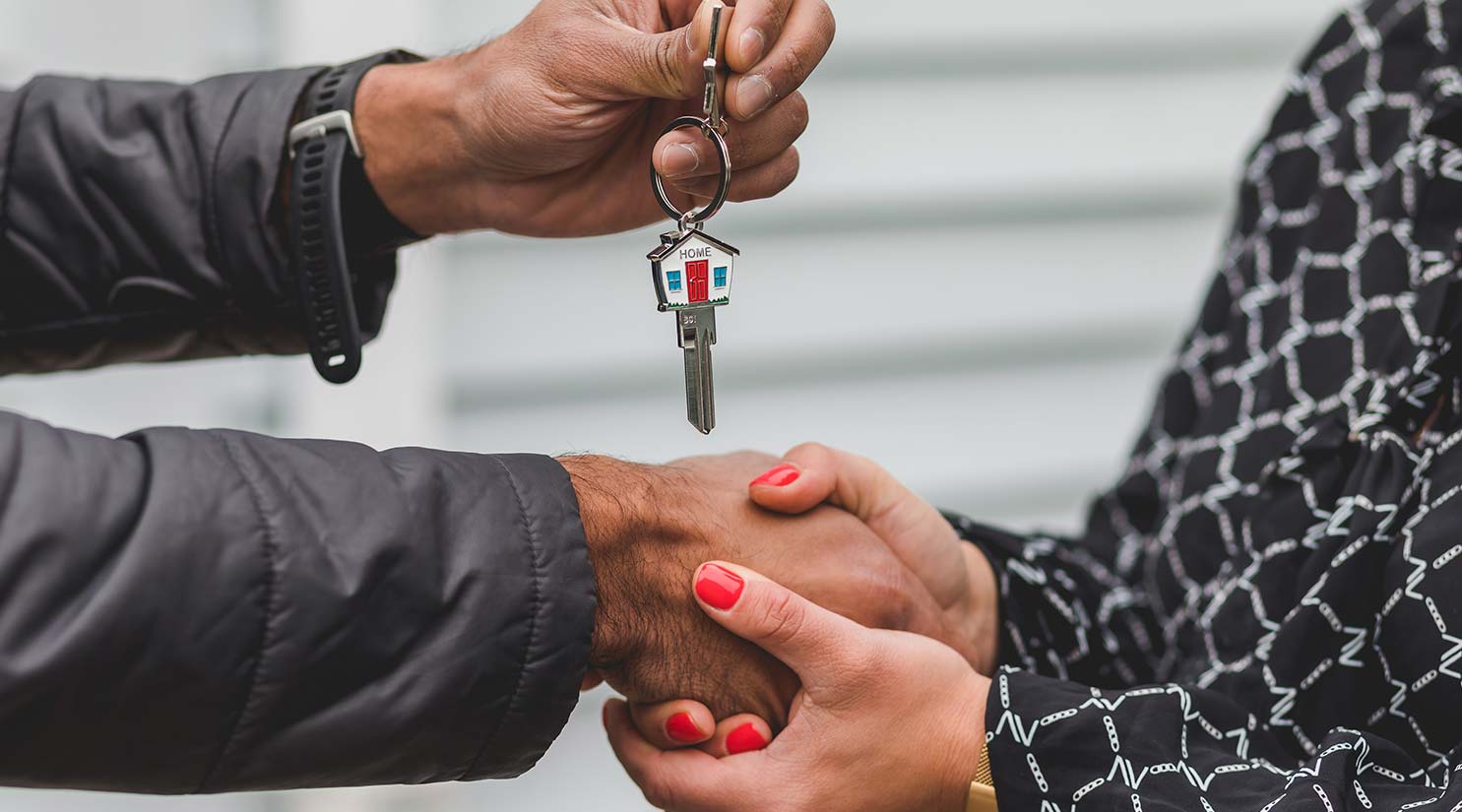
Moving to a new area is an exhilarating milestone. Whether you are relocating for a career opportunity in Nassau County, seeking the scenic tranquility of Suffolk County, or moving closer to the city in Westchester, the New York rental market is fast-paced and competitive. However, this high demand often creates a “gold rush” for opportunistic scammers who prey on the urgency of out-of-state relocators and first-time renters.
At our brokerage, we believe that luxury living starts with peace of mind. As visionaries in the residential space, we lead with transparency and expertise. Want the secret to a stress-free move? It’s mastering the art of the “Smarter Search.” This guide will empower you to identify red flags and navigate the NY leasing landscape with the confidence of a market insider. 
1. The “Too Good to Be True” Pricing Trap
The first sign of a rental scam is often the one that looks most appealing: an underpriced listing. Long Island and Westchester are premier markets with high property values. If you find a sprawling three-bedroom in Garden City or a luxury loft in White Plains listed for significantly less than comparable units, proceed with extreme caution.
Scammers often scrape photos from legitimate sales listings and repost them as “steals” to attract a high volume of inquiries. Market-rate transparency is your best tool. Before falling for a deal, research the average rent for that specific ZIP code. If the price isn’t aligned with reality, the listing is likely a fabrication.
2. The Virtual Vanishing Act: Refusal to Meet
In a world of digital convenience, virtual tours are common—but they should never be a substitute for identity verification. A classic red flag is a landlord or “agent” who claims they are currently out of the country, on a mission trip, or dealing with a family emergency that prevents an in-person or live video walkthrough.
Legitimate property managers and landlords in Nassau and Suffolk have local representatives. If the person on the other end refuses to meet you or a trusted local friend at the property, walk away. A leader in real estate never hides behind a screen; we show up, provide access, and answer the tough questions.
3. Requests for Untraceable Funds
Financial security is the cornerstone of any successful transaction. One of the most glaring red flags is a request for a security deposit or first month’s rent via wire transfer, cryptocurrency, or digital payment apps like Zelle or Venmo before a lease is signed.
Under New York State Fair Housing and rental laws, there are strict protocols for how money is handled. Legitimate transactions typically involve certified checks or secure tenant portals that provide a clear paper trail. Scammers prefer wire transfers because once the money is sent, it is virtually impossible to recover. Always prioritize a paper trail. 
4. High-Pressure Tactics and “Holding Fees”
Scammers thrive on manufactured urgency. They may tell you that five other people are ready to sign and you must send a “holding fee” immediately to secure your spot. While the NY market moves quickly, reputable professionals allow for a proper application process, including credit checks and background verifications.
In New York, there are legal limits on application fees (currently capped at $20). If someone asks for hundreds of dollars just to “process your paperwork” or “hold the keys,” they are likely trying to pocket your cash before you realize the unit doesn’t exist. (Don’t be confused with a legitimate deposit request which is accompanied by a Rental Deposit form. This is a legitimate scenario which outlines all terms of the tenancy as well as what happens if your application is approved or denied.)
5. Inconsistent Listing Details
Before you fall in love with a kitchen island in a Westchester apartment, perform a reverse image search. Scammers often forget to remove watermarks from original listings or use photos from houses located in entirely different states.
Check for inconsistencies in the description. Does the ad mention a “private backyard” for a fifth-floor walk-up? Does the contact email look like a string of random numbers and letters? These small details are the cracks in a scammer’s facade.
Renter’s Safety Checklist: Long Island & Westchester
- Verify the Listing: Use Google Reverse Image Search to ensure photos aren’t stolen from other sites.
- Check the License: Confirm the real estate agent has a valid NYS license via the Department of State website.
- Confirm Ownership: Cross-reference the landlord’s name with Nassau, Suffolk, or Westchester property tax records.
- Never Wire Money: Avoid using wire transfers, crypto, or gift cards for deposits. Use traceable methods only.
- In-Person Inspection: Never rent a property sight-unseen. If relocating, hire a local representative or use live video.
- Review the Lease: Ensure all verbal promises are in writing and the lease complies with NYS Housing Laws.
- Identify Pressure Tactics: Be wary of landlords who demand immediate payment to ‘hold’ a unit before screening.